 Skip-the-line available
 Vaux-le-Vicomte vs Versailles: Which Should You Visit?
An honest comparison of the Baroque masterpiece that inspired Versailles and the palace it became — scale, crowds, gardens and the human story.
Vaux-le-Vicomte and Versailles are bound together by history: the same three artists — Le Vau, Le Nôtre and Le Brun — created both, and Versailles exists because Louis XIV admired Vaux so much that he took its makers and made something far larger. But the two châteaux offer very different visits. Versailles is monumental, world-famous and often crowded; Vaux is intimate, coherent and comparatively quiet. This guide compares them honestly on the things that matter for a visit, so you can choose the one that suits you — or see both, on separate days, to understand where the grand French style began.
Scale, Crowds and Atmosphere
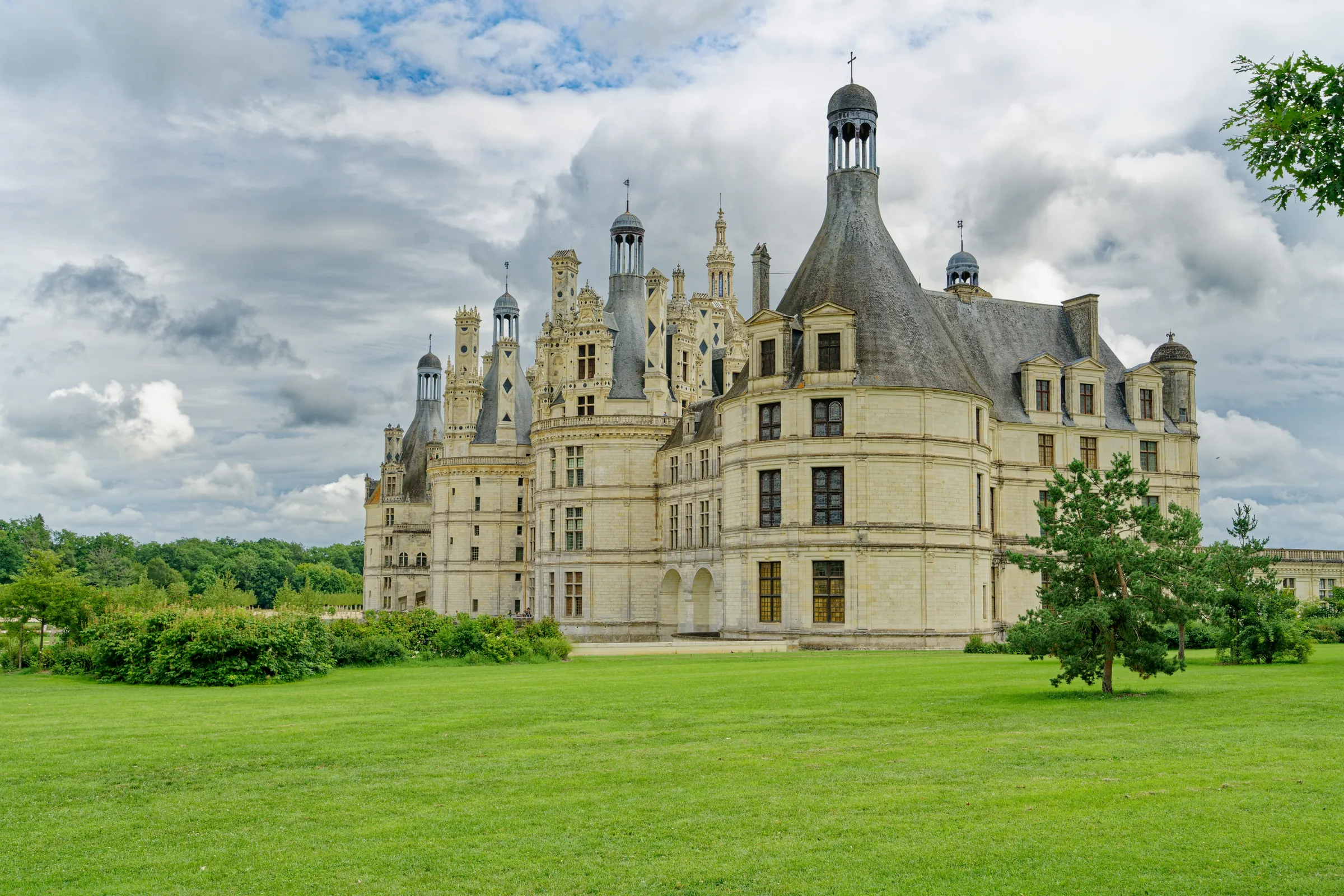
The most obvious difference is scale and crowds. Versailles is one of the most-visited monuments in the world and can be extremely busy, with long queues and packed state apartments, especially in peak season. Its grandeur is overwhelming, but the experience can feel crowded. Vaux-le-Vicomte, by contrast, receives far fewer visitors, and even on a busy day the gardens and apartments feel calm and human in scale — you can stand at the head of the garden axis with room to take it in.
For many visitors, that calm is Vaux's great advantage: it offers a comparable artistic experience — the same designers, the same unified vision — without the crush. Versailles wins on sheer ambition, historical weight and the famous Hall of Mirrors; Vaux wins on intimacy, coherence and the ability to actually enjoy the gardens. If crowds wear you down, Vaux is the more pleasant day out.
The Gardens
Both châteaux have gardens by André Le Nôtre, and comparing them is a lesson in his art. At Vaux-le-Vicomte the garden is where he first perfected the axial French formal style: a single great sweep from the château through parterres, fountains and pools to a hidden grand canal, with forced perspective drawing the eye and surprises revealed only on foot. Because the estate is on a human scale, you can walk the whole composition in an afternoon and read it clearly.
Versailles took the same principles to a colossal scale, with vast bosquets, the Grand Canal and fountains spread across an enormous park that takes a full day to explore. Versailles impresses by extent; Vaux impresses by clarity and proportion. Garden lovers often find Vaux the more satisfying place to understand Le Nôtre's genius precisely because the whole design can be grasped, walked and photographed without the distances and crowds of Versailles.
Which Should You Choose — or Do Both?
Choose Versailles if you want the world-famous palace, the Hall of Mirrors, the vast park and the full weight of royal history, and you don't mind crowds and queues. Choose Vaux-le-Vicomte if you value an intimate, coherent masterpiece, calm gardens you can actually enjoy, the romance of Fouquet's story, and the satisfaction of seeing the prototype that made Versailles possible. Vaux is the stronger pick for garden lovers and for anyone who prefers depth and quiet over sheer scale.
If you have time, do both on separate days — and ideally see Vaux-le-Vicomte first, so that Versailles reads as the grand expansion of ideas you have already met at human scale. Vaux is a relaxed day trip about an hour south-east of Paris (note it is seasonal, mid-March to early November), while Versailles is reached easily by RER from the city year-round. Together they tell the full story of how the grand French style was born and then taken to its limit.
Frequently asked
Is Vaux-le-Vicomte really the inspiration for Versailles?
Yes. The same trio — Le Vau, Le Nôtre and Le Brun — designed Vaux first, in 1658–1661, and Louis XIV admired it so much that he reunited them to build Versailles on a far larger scale. Vaux is effectively the prototype.
Is Vaux-le-Vicomte less crowded than Versailles?
Much less. Versailles is one of the world's most-visited monuments and can be very crowded; Vaux-le-Vicomte receives far fewer visitors, so its gardens and apartments feel calm and human in scale even on busy days.
Which has better gardens?
Both are by André Le Nôtre. Vaux is where he perfected the axial French formal garden, and its human scale lets you grasp the whole design in an afternoon. Versailles is far larger but more sprawling. Garden lovers often prefer Vaux for its clarity.
Can I visit both in one trip?
Yes, on separate days — ideally Vaux first, so Versailles reads as the grand expansion of ideas you've already met at human scale. Vaux is about an hour south-east of Paris (and seasonal); Versailles is reached by RER year-round.
Which is easier to reach from Paris?
Versailles, which is directly on the RER and open year-round. Vaux-le-Vicomte is not on a rail line — you take a train to Melun then a seasonal shuttle or taxi — and is open only mid-March to early November.
Which should I choose if I only have time for one?
Versailles for the world-famous palace and sheer scale; Vaux-le-Vicomte for an intimate, coherent masterpiece with calm, walkable gardens and a gripping human story. Garden lovers and crowd-avoiders tend to prefer Vaux.