Château de Vaux-le-Vicomte mirrored in its formal reflecting pools at golden hour — a domed Baroque palace above André Le Nôtre's vast axial gardens, Maincy, France.

The château so beautiful it cost its creator everything

Château de Vaux-le-Vicomte — the Baroque masterpiece that inspired Versailles, where Le Vau, Le Nôtre and Le Brun first worked as one. Open-date ticket: visit any day in season, no fixed time slot.

See ticket options
  • 1658–1661 Built for Nicolas Fouquet in barely three years
  • The first trio Le Vau, Le Nôtre & Le Brun — together for the first time
  • 33 hectares Le Nôtre's pioneering axial French formal garden
  • ~2,000 candles The signature Candlelit Evenings on select summer Saturdays

Choose your ticket

Adult ticket

Full château + gardens, standard day visit, open admission

€32

  • Skip-the-line château & gardens entry — open date, no fixed time slot
  • The state apartments, the Grand Salon and the rooftop dome viewpoint
  • André Le Nôtre's axial formal gardens, parterres and the grand canal
  • Access to the wider grounds and garden walks
  • 5-minute audio history sent before your visit
Reserve adult ticket
  • Book in your languageYour currency, final price.
  • Pro tips includedBest times, the gardens, the room most miss.
  • Ready before you flyMobile ticket, ready in your inbox.
  • 24/7 human supportReal people, instant answers — any hour, any time zone.
4.9 from 41 verified travellers
Élise V.
Brussels
“The château that inspired Versailles, without the crowds — Le Nôtre's gardens unfold perfectly from the steps. Knowing the story of Fouquet's downfall makes every room land differently.”
Marco T.
Milan
“We booked ahead and chose a sunny day. The grand canal and the view from the rooftop dome were the highlights; allow a relaxed half-day to do it justice.”
Hannah W.
Manchester
“Harder to reach than the Paris palaces, which is exactly why it's so peaceful. Worth the short taxi from Melun — we practically had the gardens to ourselves.”

5-minute audio guide

Your Vaux-le-Vicomte 5-minute guide

Hand-written, narrated by a heritage host, sent to every customer the day before their visit. Five minutes that turns the postcard photo into a real story — the minister who built a masterpiece, the fête that destroyed him, and the garden that became Versailles.

Included with your booking — your full guide arrives with your ticket.Get your guide
  • Why Vaux-le-Vicomte is the château that inspired Versailles
  • Le Vau, Le Nôtre and Le Brun — the trio's first collaboration
  • How to read Le Nôtre's gardens, the forced perspective and the hidden grand canal
  • Nicolas Fouquet's fatal fête of 17 August 1661

Included free with every ticket. No app, no download — plays in any browser.

About Château de Vaux-le-Vicomte

Château de Vaux-le-Vicomte, near Maincy and Melun south-east of Paris, is the Baroque château that changed French architecture. It was built between 1658 and 1661 for Nicolas Fouquet, Louis XIV's ambitious superintendent of finances, who assembled three talents at the height of their powers — the architect Louis Le Vau, the garden designer André Le Nôtre and the painter-decorator Charles Le Brun. It was the first time the three worked together, and the harmony they achieved here, of building, decoration and landscape conceived as a single composition, was so admired that the young king later reassembled the same trio to create Versailles.

The garden is the revelation. Le Nôtre laid out a vast central axis running away from the château through parterres, fountains, ornamental pools and a hidden grand canal, using forced perspective and shifting levels so that the view unfolds and surprises as you walk it — a pioneering statement of the French formal garden that he would refine across the rest of his career. Inside, Le Vau's domed central salon and Le Brun's painted ceilings and richly decorated state apartments give a sense of the taste that Fouquet, a discerning patron, commanded.

The story of Vaux is also a cautionary tale of ambition. On 17 August 1661 Fouquet threw a legendary fête for the king, with Molière, fireworks and a banquet of unrivalled splendour. Within weeks Louis XIV had him arrested for embezzlement; Fouquet died in prison years later, and the king took his artists, his orange trees and his ideas to Versailles. The privately owned château survives beautifully restored today, and its signature Candlelit Evenings — when some two thousand candles light the rooms and gardens — and its turn as a location for the James Bond film Moonraker have kept its romance alive. The standard day ticket is open-dated: choose your day in season and walk straight in.
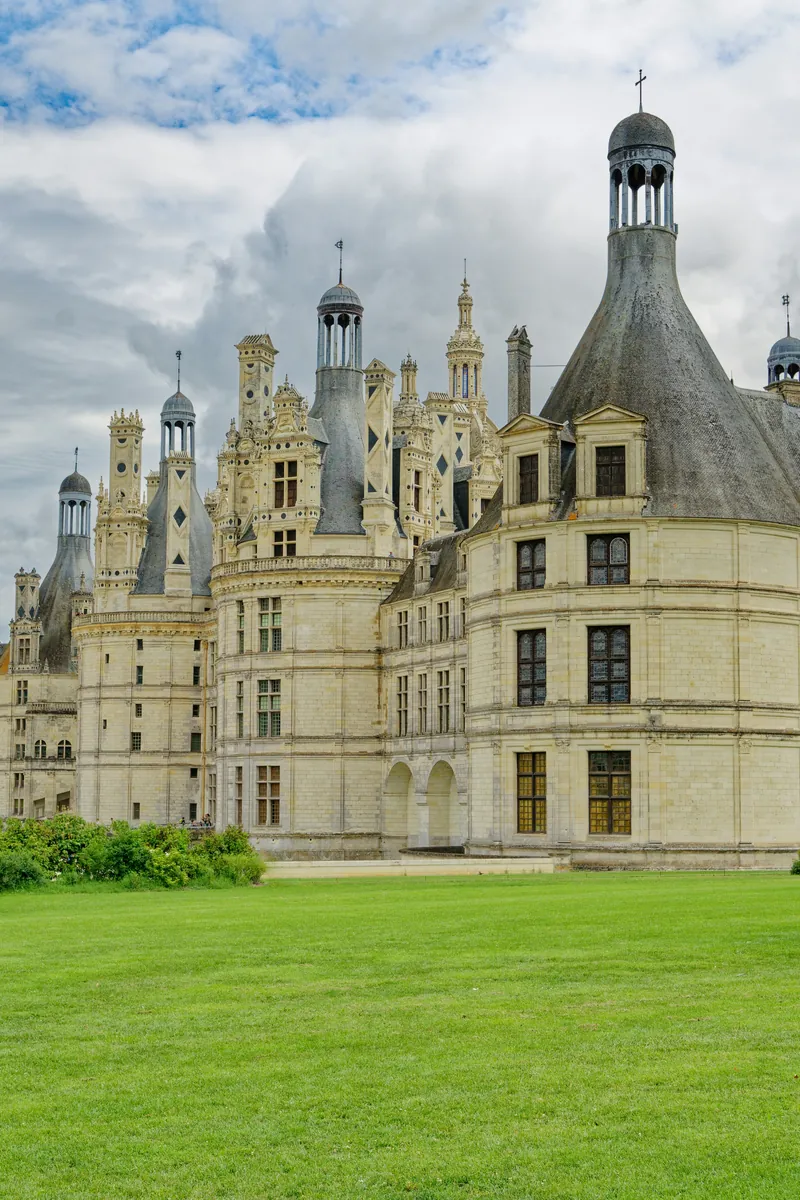
Practical information

Opening hours
Open seasonally, roughly mid-March to early November (the estate closes for the winter, broadly November to mid-March). Day-visit hours are approximately 10:00–18:00, with last admission earlier in the afternoon; hours vary by season and event, so check the same-day timetable before travelling.
Address
Château de Vaux-le-Vicomte, 77950 Maincy, France
Getting there from Paris
≈1 hour by car (about 55 km) via the A4/A5 south-east of Paris. By rail, take a Transilien or TER train from Paris Gare de Lyon to Melun (about 25–40 minutes), then a short taxi or the seasonal Châteaubus shuttle to the estate — Vaux-le-Vicomte is not directly on a rail line.
Getting there from Melun
≈10–15 minutes by car or taxi (about 7 km). A seasonal Châteaubus shuttle runs between Melun station and the château on selected dates; outside its schedule a taxi is the simplest option.
Time needed
Allow about 2.5 to 3 hours for the château state apartments, the rooftop dome viewpoint and a full walk of Le Nôtre's gardens to the grand canal and back.
Accessibility
The ground-floor state apartments and much of the formal gardens are accessible, though the gardens are gravelled, sloping and extensive, and the rooftop dome is reached by stairs. Contact us before booking if mobility is a concern and we will confirm the current arrangements.
Photography
Permitted in the gardens and grounds; check current rules for flash and tripods inside the château. The classic shot is the château mirrored in the reflecting pools, or the long view back along Le Nôtre's central axis.
Food
There is a café and a restaurant on the estate, plus picnic areas in the grounds. The village of Maincy and the town of Melun nearby offer further options.

About our service

Vaux-le-Vicomte Tickets acts as a facilitator to help international visitors purchase skip-the-line tickets for the privately owned Château de Vaux-le-Vicomte. We do not resell tickets — we provide a personalised booking and support service in your own language, and our concierge service fee is included in the displayed price. For those who prefer to purchase directly, the estate operates its own official ticket channel.

Frequently asked

What's included in the skip-the-line ticket?

Priority entry past the ticket-office queue, plus access to the château's state apartments and the rooftop dome viewpoint, and to André Le Nôtre's formal gardens, parterres, fountains and the grand canal in the surrounding grounds. The ticket is open-dated, so you choose your own day within the open season.

Is the ticket for a specific time slot?

No. The standard day-visit ticket is open admission — valid during opening hours on the day you visit, with no fixed entry time. We issue an open-dated ticket so you can arrive whenever suits you and walk straight in. (The special Candlelit Evenings are a separate timed event, which we do not sell.)

When is Vaux-le-Vicomte open?

Vaux-le-Vicomte is a seasonal attraction, open roughly from mid-March to early November and closed for the winter (broadly November to mid-March). Day-visit hours are approximately 10:00–18:00, with last admission earlier. Because dates and hours shift with the season and special events, always check the same-day timetable before travelling.

Why is Vaux-le-Vicomte so important?

It was built between 1658 and 1661 for Nicolas Fouquet, Louis XIV's finance minister, and was the first project to bring together the architect Louis Le Vau, the garden designer André Le Nôtre and the decorator Charles Le Brun. Their unified design so impressed the king that he later reassembled the same trio to build Versailles — making Vaux, in effect, the prototype for Versailles.

What happened to Nicolas Fouquet?

Fouquet threw a famously lavish fête for Louis XIV on 17 August 1661 to inaugurate the château. The display of wealth helped seal his downfall: within weeks the king had him arrested for embezzlement. He was imprisoned for the rest of his life, and Louis XIV took his artists and ideas to Versailles.

How long does a visit take?

Allow about 2.5 to 3 hours. That covers the château's state apartments and the rooftop dome viewpoint, plus a proper walk through Le Nôtre's gardens down to the grand canal and back. The gardens are large, so give them time rather than rushing them.

What are the gardens like?

They are the masterpiece. André Le Nôtre laid out a long central axis running away from the château through symmetrical parterres, fountains and ornamental pools to a hidden grand canal, using forced perspective and changing levels so that the view reveals itself gradually as you walk. They are widely regarded as the work in which Le Nôtre perfected the French formal garden he would later bring to Versailles.

Can I climb to the rooftop dome?

Yes — the château's central dome has a viewpoint reached by stairs, giving a sweeping view back along Le Nôtre's great axis and over the parterres and grounds. It is one of the best vantage points to understand how the garden and the building were designed as a single composition. The climb involves steps and is not suitable for everyone.

What are the Candlelit Evenings?

The Soirées aux Chandelles are Vaux-le-Vicomte's signature experience: on select Saturday evenings in the season, the château and its gardens are lit by around two thousand candles, usually ending with fireworks over the grounds. They are a separate, timed event from the standard day visit — we sell the standard day ticket, not the Candlelit Evenings.

Was Vaux-le-Vicomte in a James Bond film?

Yes. The château featured as a filming location in the 1979 James Bond film Moonraker, standing in for the villain's estate. Its dramatic Baroque architecture and formal gardens have made it a popular backdrop for film and television over the years.

How do I get to Vaux-le-Vicomte from Paris?

It is about an hour by car (roughly 55 km) south-east of Paris via the A4/A5. Without a car, take a train from Paris Gare de Lyon to Melun (about 25–40 minutes), then a short taxi or the seasonal Châteaubus shuttle for the final few kilometres — the château is not directly on a rail line.

Is there a shuttle from Melun station?

On selected dates in the season a Châteaubus shuttle runs between Melun station and the château, covering the final few kilometres. Services are seasonal and limited, so check the current timetable before you travel; outside the shuttle schedule a taxi from Melun (about 10–15 minutes) is the simplest option.

Can I change the date of my visit?

Your ticket is open-dated within the open season, so for most visits you simply arrive on the day you choose during opening hours. If your plans change or you have any concern, reply to your confirmation email and our concierge team will help.

Is Vaux-le-Vicomte accessible for visitors with mobility needs?

The ground-floor state apartments and much of the formal gardens are accessible, but the gardens are gravelled, sloping and extensive, and the rooftop dome viewpoint is reached by stairs. If mobility is a concern, contact us before booking and we will confirm the current arrangements with the estate.

Is it suitable for children?

Yes. The vast gardens give children plenty of room to roam, the grand canal and fountains are a highlight, and the château's grand interiors and rooftop view appeal to older children. The estate runs family-oriented activities at certain times of year; check the current programme before you visit.

Can I combine Vaux-le-Vicomte with a day trip from Paris?

Easily. At about an hour from central Paris by car, or a short train-plus-taxi from Gare de Lyon, Vaux-le-Vicomte makes a relaxed half- or full-day trip. Many visitors pair it with the nearby town of Fontainebleau and its royal château, which is roughly 20–30 minutes away by car.

Is photography allowed?

Photography is permitted in the gardens and grounds; please check the current rules for flash and tripods inside the château itself. The classic images are the château mirrored in its reflecting pools and the long view back along Le Nôtre's central axis from the gardens.

What is the Château de Vaux-le-Vicomte?

The Château de Vaux-le-Vicomte is a 17th-century Baroque château about 55 kilometres south-east of Paris, near Melun. It was built between 1658 and 1661 for Nicolas Fouquet, the powerful finance minister of Louis XIV, who brought together three of the greatest talents of the age: the architect Louis Le Vau, the landscape designer André Le Nôtre and the painter Charles Le Brun. Their collaboration produced a harmony of house and garden so admired that the same trio went on to create Versailles for the king. Vaux is celebrated for Le Nôtre's pioneering formal gardens, which unfold along a grand axis of parterres, fountains and a concealed canal, and for its drama: only weeks after Fouquet hosted a lavish fête here in 1661, a jealous Louis XIV had him arrested. Privately owned today, it is famous for its candlelit evenings and featured in the James Bond film Moonraker.

How do I get to Vaux-le-Vicomte?

Vaux-le-Vicomte is not directly on a railway line, which is part of why it stays so peaceful. The usual route from Paris is to take a train from Gare de Lyon to Melun, a journey of around 25 to 40 minutes depending on the service, and then to cover the final few kilometres to the estate. During the visiting season a dedicated shuttle, the Châteaubus, runs between Melun station and the château on selected dates, so check the current timetable because it does not operate every day; otherwise a taxi from Melun takes about 15 minutes. By car, the château is roughly an hour from central Paris and has its own free parking. Because it is a little harder to reach than the Paris palaces, allowing a relaxed half-day lets you enjoy both the interiors and Le Nôtre's gardens without rushing.